
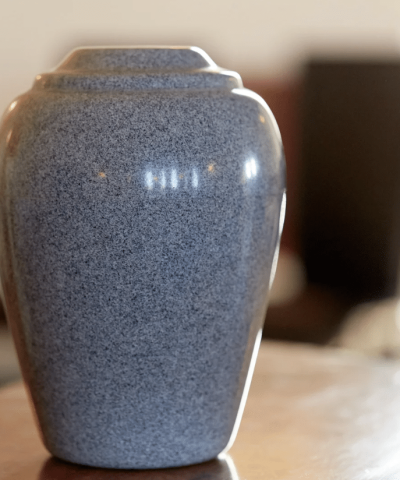

Choosing a cremation urn is one of the most personal decisions you’ll make after losing someone you love. With countless styles, materials, and purposes available, understanding the fundamental difference between urns for burial and display urns helps ensure you select a memorial that honors your loved one’s wishes while meeting practical requirements.
Whether you’re planning ground burial in a cemetery, creating a home memorial, or considering multiple options for sharing remains among family members, this guide will help you navigate the important distinctions between burial and display cremation urns.
Understanding the Key Differences
Urns for Burial: Built for Permanence
Burial urns are specifically designed to withstand underground conditions. When cremated remains will be interred in a cemetery or private property, the cremation urn must be durable enough to protect the ashes from soil, moisture, and ground pressure over time.
Key characteristics of burial urns include:
- Sturdy construction from materials like metal, stone, or reinforced composites
- Secure closures that prevent moisture infiltration
- Compatibility with urn vaults or burial vault requirements
- Sizes that meet cemetery regulations (typically 200 cubic inches for an adult)
Most cemeteries require an urn vault—a protective outer container that houses the cremation urn underground. These urn burial vaults prevent ground settling and provide an additional layer of protection for the remains.
Display Urns: Designed for Beauty and Presence
Display urns prioritize aesthetic appeal for home, columbarium, or mausoleum placement. Since these memorial urns won’t face underground conditions, they offer broader design possibilities including delicate materials, intricate artwork, and decorative elements.
Display cremation urns often feature:
- Artistic designs, engravings, and personalization
- Premium materials like brass, wood, ceramic, or marble
- Photo urns with space for displaying cherished images
- Decorative urns that complement home décor
- Religious urns featuring faith-specific symbols and imagery
Display urns can remain in family homes for generations, placed on mantels, in memory cabinets, or dedicated memorial spaces where loved ones can maintain a close connection.
Material Considerations for Each Purpose
Best Materials for Burial
Metal Urns: Brass urns and other metal urns provide exceptional durability for ground burial. They resist corrosion and maintain structural integrity underground, making them ideal choices when paired with an urn vault.
Stone Urns: Granite, marble, and other stone urns offer natural beauty and permanence. These heavy, solid options work well for burial and can also serve as striking memorial markers above ground.
Biodegradable Urns: For families choosing eco-friendly burial, biodegradable urns made from materials like salt, sand, paper, or plant fibers naturally decompose over time. A living urn takes this concept further by incorporating tree seeds, allowing cremated ashes to nourish new life as the container breaks down.
Best Materials for Display
Wooden Urns: Beautiful wood urns crafted from cherry, walnut, oak, or mahogany bring warmth to home settings. Hand-finished wooden urns often feature intricate carvings and can be personalized with engravings.
Brass and Metal: Polished brass urns and decorative metal urns offer timeless elegance for display. Their lustrous finishes and detailed craftsmanship make them centerpiece-worthy memorials.
Ceramic and Art Glass: These materials allow for artistic expression through colors, textures, and unique designs that reflect your loved one’s personality.
Marble and Stone: Stone urns serve dual purposes—elegant enough for display yet durable enough for burial if plans change.
Size and Capacity: Finding the Right Fit
Cremation urns are sized by cubic inches, with the general rule being one cubic inch of capacity per pound of body weight before cremation.
Standard sizes include:
- Adult urns: 180-220 cubic inches (accommodating most adults)
- Companion urns: 350-400 cubic inches (designed to hold two people’s remains together)
- Keepsake urns: 3-50 cubic inches (small vessels for sharing ashes among family members)
- Pet urns: Varies by animal size, from small keepsake sizes to large dog capacities
When selecting burial urns for cemetery interment, verify the cemetery’s size restrictions. Some burial vaults have maximum dimensions that limit urn choices.
Cemetery and Vault Requirements
Most cemeteries mandate the use of urn vaults for ground burial. These protective containers—made from concrete, polymer, or metal—serve several purposes:
- Prevent ground collapse and settling
- Protect the cremation urn from soil and groundwater
- Maintain cemetery grounds for maintenance equipment
- Provide uniform underground structure
Important questions to ask your cemetery:
- Is an urn burial vault required?
- What are the maximum urn dimensions?
- Are there material restrictions for burial urns?
- Can memorial stones or markers be placed above the burial site?
- Are biodegradable urns permitted?
Understanding these requirements before purchasing ensures your chosen urn for burial meets all regulations.
Special Considerations and Unique Options
Sharing Remains Among Family
Many families choose to divide cremated remains among multiple family members. This approach combines different urn types:
- One primary burial urn for cemetery interment
- Several keepsake urns for siblings or children
- A memorial urn for display in the family home
- Candle holder urns that serve both memorial and functional purposes
Scattering and Burial Combination
Some families scatter a portion of ashes in meaningful locations while burying the remainder. Scattering urns are designed for easy, dignified dispersal, while the remaining cremated ashes can be placed in burial urns for permanent interment.
Pet Memorials
Pet urns follow similar principles as human cremation urns. Families may choose burial in a pet cemetery, backyard interment (where legal), or home display depending on their preferences and local regulations.
Living Memorials
A living urn system combines biodegradable materials with tree seedlings or plant seeds, creating a living memorial that transforms cremation into new life. These eco-friendly options appeal to nature lovers and those seeking sustainable burial alternatives.
Urn Gardens
Some cemeteries and memorial parks feature dedicated urn gardens—landscaped areas specifically designed for cremation burial. These spaces often allow for smaller memorial stones, plaques, or markers, creating beautiful communal remembrance areas.
Cost Considerations
Cremation urn prices vary widely based on materials, craftsmanship, and purpose:
Low price urns: $50-150 (basic metal, simple wooden urns, or biodegradable options)
Mid-range urns: $150-500 (quality brass urns, carved wooden urns, decorative ceramic)
Premium urns: $500-2,000+ (hand-crafted art pieces, companion urns, custom designs)
Urn vaults: $100-400 (required for most cemetery burials, purchased separately)
Affordable cremation urns don’t mean compromising on dignity or quality. Many beautiful, durable options exist at accessible price points. The most important factor is choosing a vessel that feels right for honoring your loved one.
Making Your Decision: Questions to Consider
When choosing between urns for burial and display options, reflect on these questions:
- What were your loved one’s wishes? Did they express preferences about burial, display, or scattering?
- Where will the remains rest permanently? Cemetery, home, columbarium, or natural setting?
- Will you share the remains? Consider one burial urn plus keepsake urns for family members.
- What materials resonate with their personality? Natural wood, elegant metal, eco-friendly biodegradable?
- What’s your budget? Quality options exist at every price point.
- Are there cemetery restrictions? Verify vault requirements and size limitations before purchasing.
- Do you want personalization? Engravings, photos, or custom designs add meaningful touches.
Can You Use a Display Urn for Burial?
This common question deserves clarification: while some display urns are sturdy enough for burial, not all are designed for underground conditions. Delicate ceramic, thin wood, or decorative urns may not withstand moisture and soil pressure over time.
If you love a display-style urn but plan cemetery burial:
- Choose metal or stone versions of decorative designs
- Ensure the urn vault provides adequate protection
- Verify the urn has a secure, moisture-resistant seal
- Confirm cemetery approval of the specific urn style
Many funeral urns are designed as dual-purpose, suitable for both display and eventual burial, offering flexibility if your plans evolve.
Honoring Your Loved One’s Unique Journey
Whether you select urns for burial in a peaceful cemetery, a beautiful memorial urn for your home, or a combination approach that shares remains among family, the right choice is the one that brings comfort and honors your loved one’s memory authentically.
Cremation offers flexibility that traditional burial doesn’t—you can take time to decide, involve family members in the selection process, and even change plans as needs evolve. A companion urn might unite a couple’s ashes years apart. A biodegradable urn might return human ashes to nature in a meaningful location. Photo urns might keep their image present in daily life.
There’s no single “correct” answer. The perfect cremation urn is the one that feels right for your family, respects your loved one’s wishes, and creates a lasting tribute that brings peace for years to come.
By understanding the practical differences between burial and display options, you can make an informed decision that honors both the person you’ve lost and the legacy they leave behind.