
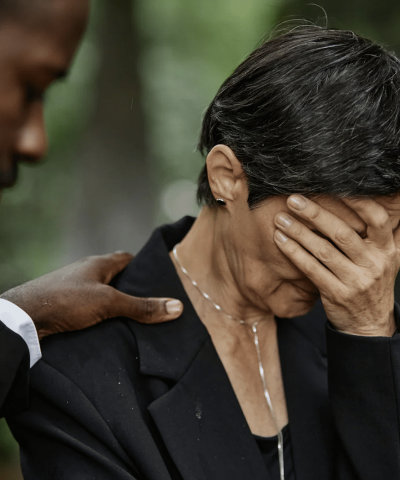

Grief is a deeply personal experience that follows the death of a loved one or another significant loss. While grief looks different for everyone, many people benefit from seeking grief and loss support services as part of their healing process. Understanding where to find help and what options are available can make navigating loss feel less isolating.
Support can take many forms, from community-based support groups to professional counseling and therapy. Exploring these options allows grieving individuals and families to choose the type of support that best meets their needs.
Understanding Grief and the Grieving Process
Grief is a natural response to loss and death. The grieving process may involve a wide range of emotion, including sadness, anger, confusion, or numbness. These feelings can change over time and may resurface unexpectedly.
There is no fixed timeline for grief. Some individuals seek support immediately, while others look for help months or even years after a significant loss. Paying attention to mental health during grief is important, especially when loss begins to affect daily functioning, relationships, or overall well-being.
Exploring Grief and Loss Support Services
Many people begin by looking for grief and loss support services within their local community or through trusted organizations. These services often include grief support services, bereavement services, and access to grief resources designed to support healing.
Common options include:
- Community-based support services
- Faith-based or nonprofit bereavement resources
- Educational workshops focused on grief and loss
- Referrals to counseling or therapy providers
Exploring available grief support services can help individuals better understand their grief process and identify healthy coping skills.
The Value of Support Groups
Joining a support group can be a powerful step in healing. Support groups create a shared space where grieving individuals can connect with others who understand loss firsthand.
A grief support group or bereavement support group allows participants to talk openly, listen, and feel less alone. Some people prefer in-person support groups, while others find online support groups more accessible. Both options can provide meaningful peer support.
Grief support groups may focus on general loss or specific experiences, such as the death of a loved one, loss of a spouse, or support for bereaved families. Specialized groups may also exist for grieving children or parents.
Counseling and Therapy Options
For some individuals, professional counseling or therapy can be especially helpful. Grief counseling and bereavement counseling provide structured emotional support during the grieving process.
Licensed professionals such as a grief counselor, grief therapist, bereavement counselor, family therapist, or other mental health professional can help individuals process loss, manage emotion, and protect long-term mental health. Therapy may also help prevent untreated grief from becoming overwhelming or disruptive.
Counseling and therapy offer a private setting to explore grief, develop coping skills, and work toward healing at a comfortable pace.
Supporting the Whole Family
Loss often affects the entire family. Parents may need guidance when supporting grieving children, while adults may benefit from counseling or peer support. Bereavement support can help families communicate openly and adjust together after death.
Organizations like Compassionate Friends and similar peer-based groups offer emotional support for bereaved families coping with loss. These resources can help families feel understood and supported throughout their grief journey.
Finding Healing and Renewed Hope
Healing after loss does not mean forgetting a loved one. Instead, healing involves learning how to carry grief in a healthy way while continuing to move forward. With the right support services, many people find renewed hope and a sense of stability over time.
Grief support, support groups, counseling, and therapy can all play a role in emotional healing. Each individual’s path through grief is unique, and finding the right combination of support is an important step.
Taking the First Step Toward Support
Seeking grief and loss support services is a personal decision, but no one has to face loss alone. Whether through grief support groups, counseling, online support groups, or trusted bereavement resources, support is available for grieving individuals and families.
Taking even one small step—researching options, reaching out to a support group, or speaking with a mental health professional—can help begin the healing process after loss.