

For many families, understanding the cremation process is an important step in planning a meaningful farewell for a loved one. At Dalton Hoopes Funeral Home, we guide families through every step, providing compassionate support, clear information on cremation services, and guidance on handling cremated remains with dignity.
What Is the Cremation Process?
The cremation process is a method of final disposition where human remains are reduced to cremated ashes through controlled heat. Families can choose from several cremation options, including direct cremation, traditional cremation, or a cremation service with a memorial service.
The process begins once necessary paperwork is completed, including obtaining a death certificate and a cremation permit. The funeral director ensures all legal and logistical requirements are met before proceeding.
Step-by-Step: How the Cremation Process Works
- Preparation of Remains
The deceased is respectfully prepared for cremation. Depending on family preferences, the body may be placed in a cremation casket, coffin, or a simple cremation container suitable for the crematory. - The Actual Cremation
The body is placed into the cremation chamber, a cremation machine or modern cremation furnace designed for safety and efficiency. In flame-based cremation or flame cremation processes, the remains are exposed to high heat, reducing them to cremains. - Processing the Cremated Remains
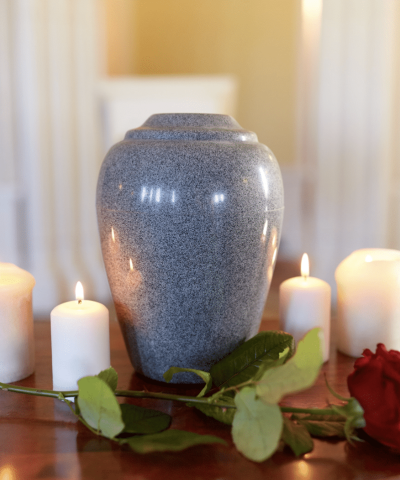
After the actual cremation, cremated remains are carefully processed and cooled. Families can choose to receive the ashes in a cremation urn, cremation jewelry, or other keepsakes. Options for final disposition include scattering, burial, or placement in a columbarium. - Memorial and Funeral Services
Families may hold a memorial service or funeral service before or after the cremation service. Our experienced funeral directors help plan individualized funeral services to honor your loved one and provide grief support for family and friends.
Cremation Options and Considerations
- Direct Cremation: A simple, low-cost cremation service without a formal funeral service or viewing.
- Traditional Cremation: Includes a funeral service or memorial service before cremation.
- Witness Cremation: Some families choose to be present during the flame cremation process.
- Veteran Options: Includes veterans headstones and veterans burial flags for those who served.
- Pet Cremation: Available through Butler Pet Services, honoring beloved animals.
Our team also provides guidance through cremation costs, cremation rate, and information from trusted sources like the National Funeral Directors Association, cremation association, and cremation society.
Choosing the Right Cremation for Your Loved One
Selecting the right cremation service is an important decision. Families may consider:
- Cremation container or casket choice
- Memorial or funeral service options
- Final disposition: burial, scattering, or display in an urn
- Keepsakes and personalized items, like cremation jewelry
- Legal and permit requirements, including death certificate and cremation permit
Understanding the cremation process work allows families to make informed decisions, providing peace of mind while honoring the memory of their loved ones’ cremation.
Supporting Families Through the Cremation Process
The loss of a loved one is emotionally challenging. At Dalton Hoopes Funeral Home, we provide grief support, guidance through funeral planning, and compassionate care throughout the cremation process. Our dedicated professionals ensure each cremation service is handled with respect, professionalism, and sensitivity.
Whether you are planning a direct cremation, traditional cremation, or full funeral service, understanding the cremation process helps families feel informed, supported, and prepared to honor their loved one with dignity.
Key Takeaways
- The cremation process involves careful preparation, flame-based cremation, and processing of cremated remains.
- Families can choose direct cremation, traditional cremation, or memorial services tailored to their needs.
- Cremation urns, cremation jewelry, and other keepsakes help families preserve memories.
- Dalton Hoopes Funeral Home provides guidance on cremation costs, permits, and legal requirements.
- Compassionate funeral directors and dedicated professionals support families throughout the process with grief support and thoughtful planning.
FAQs About the Cremation Process
Q: What is the difference between direct and traditional cremation?
A: Direct cremation is a simple process without a funeral service, while traditional cremation includes a memorial service or funeral service beforehand.
Q: Can families witness the cremation process?
A: Yes, some families choose witness cremation for a more personal farewell.
Q: What happens to the cremated remains?
A: Cremated remains can be placed in a cremation urn, cremation jewelry, buried, or scattered according to family wishes.
Q: What legal paperwork is needed for cremation?
A: Families need a death certificate and a cremation permit, which the funeral director will assist with.