

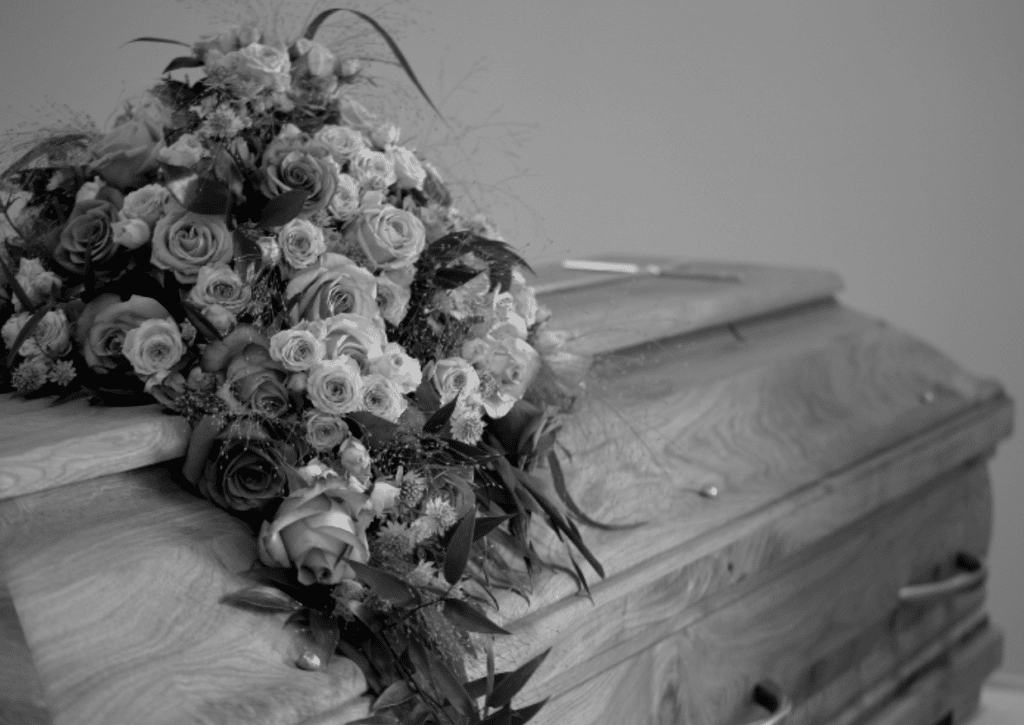
Nobody studies for this. When someone you love dies, the two days that follow are the least prepared moment of your life, and they are also the two days that decide most of what happens next. Who moves your loved one. What paperwork gets filed and when. Whether the family gets to gather on Saturday or has to wait a week.
Families in Tooele County usually meet us in the middle of those 48 hours, and the most common thing we hear afterward is some version of the same sentence. I had no idea any of that was happening.
So here is the honest answer. This is what a funeral home like ours is doing for your family from the first phone call through the second sunrise, most of it out of sight, while you are doing the only job that actually matters right now, which is being with the people you love.
Hours 0 to 2, The First Call and Immediate Assistance
The first call comes at every hour of the day. Two in the afternoon from a hospice room in Grantsville. Three in the morning from a hospital hallway in Tooele. Neither one gets a voicemail. A person answers.
That first conversation is short on purpose. We need a name, a location, and a phone number, and we need to know whether the death was expected or sudden, because that single detail changes the next six hours completely. Everything else can wait.
What you get on that call is immediate assistance rather than a sales conversation. Nobody is going to ask you about urns and price lists at three in the morning. If the death happened at home, we tell you exactly who else needs to be called and in what order, and we stay on the line until you have it. If it happened at a facility, we coordinate directly with their staff so you are not relaying messages between institutions while you are in shock.
Every funeral home will tell you it is available around the clock. The distinction worth asking about is whether the person answering is a mortuary employee who can actually make decisions or an answering service taking a message for the morning.
Hours 2 to 6, Bringing Your Loved One Into Our Care
Transfer is the part families remember most vividly, and it is the part we take the most seriously.
Two of our staff come, and they come in person rather than sending a contracted removal company. There is a protocol for this that nobody writes down. Ask before entering the room. Give the family time. Never rush a spouse who is not ready. Cover and secure with dignity, in view of anyone watching, because grandchildren are often watching.
Once your loved one is in our care, they stay in our care. That continuity is the practical difference between a funeral home that does the work in house and a broker that outsources each step to a different vendor. Your loved one is not handed off three times before anyone who has met you sees them.
Hours 6 to 12, The Arrangement Conference
Somewhere in the first morning, your family sits down with us to make funeral arrangements. This meeting runs about ninety minutes and it decides nearly everything.
We work through the shape of the service first and the details second. This is the part of the funeral process most families dread, and it is far less overwhelming than they expect. Burial or cremation. A traditional funeral service with a viewing beforehand, or a memorial service later once family can travel. Whether the funeral service happens at our chapel, at a church, or graveside. Whether there is a visitation the night before.
A good funeral director spends most of this meeting listening. The questions that matter are not about products. What did he do on Saturdays. What song would she have hated. Did he want a flag on the casket. Those answers are what turn a generic funeral ceremony into a meaningful tribute, and they cannot be recovered later.
You will also see itemized pricing in this meeting, before you commit to anything. That is federal law and it is also just decency. Direct cremation, full cremation services, a burial service, and a traditional service should all be priced by the funeral home in front of you on the same page so you can compare them honestly.
Hours 12 to 24, The Paperwork Nobody Sees
This is the invisible half of the job, and it is the half that determines whether your Saturday service actually happens on Saturday.
Within the first day we are handling the death certificate, gathering the vital statistics for it, chasing down the attending physician or medical examiner for a signature, and filing with the State of Utah. We are pulling the burial transit permit. If cremation was chosen, we are securing the cremation permit and clearing state review, which is the single most common reason a family’s timeline slips.
We are also calling the cemetery to confirm the plot and open the grave, confirming the clergy or celebrant, reserving the church, arranging the vault, booking the hearse and limousines, and ordering certified copies of the death certificate, because your family will need eight to ten of them for banks, insurance, the Social Security Administration, and the DMV.
None of this is glamorous. All of it is why families who try to coordinate a death themselves describe it as a second full time job arriving in the worst week of their lives.
Hours 24 to 36, Building Something That Sounds Like Them
By the second day, the shape of the service is set and the work turns personal.
This is where personalized service stops being a brochure phrase. We are building the tribute video from photos your daughter is texting us at midnight. We are printing programs. We are laying out the memory table with his fishing reel and her recipe box. We are working with our florists, coordinating music, and walking the room to make sure the seating works for a family with three wheelchairs.
Whether the gathering is a formal funeral ceremony, a graveside service under the Oquirrhs, or a life celebration at a family home with a slideshow and too much food, the goal is the same. Someone who walks in should recognize the person from the room.
A traditional burial, a graveside ceremony, and cremation services can all carry this. The form matters far less than whether it sounds like them.
Hours 24 to 48, Veterans Services and Military Honors
If your loved one was a veteran, a funeral home earns its name here, because these benefits are real, they are earned, and families almost never claim all of them.
Within the first two days we are locating the DD-214, submitting the request for military honors through the appropriate branch, and coordinating the honor guard, the rifle detail, and taps. We handle the paperwork for veterans burial flags and the presentation of that flag to the next of kin. We order veterans headstones or grave markers from the VA at no cost to your family, and we file for the burial allowance and interment benefits when eligibility applies.
Our veterans services also cover national cemetery eligibility and scheduling at places like the Utah Veterans Cemetery. Ask for our veterans overview and we will walk you through what your family qualifies for. Most people are surprised by how much of it goes unclaimed simply because nobody told them it existed.
Hours 36 to 48, Telling the Community
The obituary is not an afterthought. It is how your community finds out, and it is often the last written record of a life.
We help write it, we place it with the newspapers, and we post it to our recent obituaries page where extended family and old friends can find the service time, leave a memory, and send flowers. In a county this size, that page does real work. Neighbors who have not seen each other in twenty years show up because of it, and the funeral service is fuller for it.
What Happens on Day Three and Every Day After
The first 48 hours are the sprint. The part that matters longer is what comes after the last car leaves the cemetery.
Grief does not follow the funeral schedule. The hardest weeks are usually five and six, when the casseroles stop and everyone else has gone back to work. That is exactly when our grief support begins in earnest. Every family we serve is offered weekly grief messages through the entire first year, short and steady notes written for people in the middle of it rather than looking back at it.
We also connect families with local counseling, with support groups, and with resources for children, who grieve on a completely different timeline than adults do. Grief support of this kind costs a funeral home money and earns it nothing, which is precisely why it is a fair question to ask any provider before you choose one.
What Full Service Actually Means
The phrase gets used loosely, so here is the practical test. A full service funeral home handles every option under one roof with its own licensed funeral directors. That means burial services and traditional funeral options, direct cremation and complete cremation services, a memorial or graveside gathering, veteran benefits, the entire funeral planning process, and compassionate care through grief support afterward.
A cremation service broker or a discount provider handles one narrow product and refers out everything else. That is a legitimate choice, and for some families a simple cremation service is exactly right. Just know what you are choosing. The difference shows up when something unexpected happens, and in this work something unexpected usually happens.
The other question worth asking is who owns the place. We have been locally owned since 1979. The person who answers the funeral home phone at two in the morning lives here, shops at the same grocery store, and will run into you for the next thirty years. That kind of accountability is not a marketing claim, it is just geography.
You Can Do Most of This Before You Need It
Everything above can be decided in advance, calmly, on a Tuesday afternoon when nobody is in crisis.
Preneed funeral contracts let you record your wishes, choose burial or cremation, select your casket or urn, and lock in today’s pricing. Families who walk in with a plan already made spend those first 48 hours grieving instead of guessing, and the funeral service they receive is the one they actually chose. Families without one spend them making a dozen consequential decisions on four hours of sleep, hoping they are choosing what mom would have wanted.
If you are the person in your family who thinks about these things, that is not morbid. It is the most useful gift you can leave.
When You Need Us
Whether you are in the middle of the first 48 hours right now or thinking about final arrangements years ahead, this funeral home will answer every question you have, including the ones that feel awkward to ask.
Call anytime at (435) 241-9308
Visit us at 50 West Main Street, Grantsville, UT 84029
Learn more about our funeral services, cremation options, and pre-planning
Dalton Hoopes Funeral Home has cared for families in Tooele, Grantsville, Stansbury Park, Erda, Stockton, and Rush Valley since 1979. We are here whenever you need us, in whatever meaningful way your family needs to say goodbye.